
Taking NHBF evidence to the Low Pay Commission
The oral evidence session was the visible part of a much wider programme of research, policy development and political engagement.
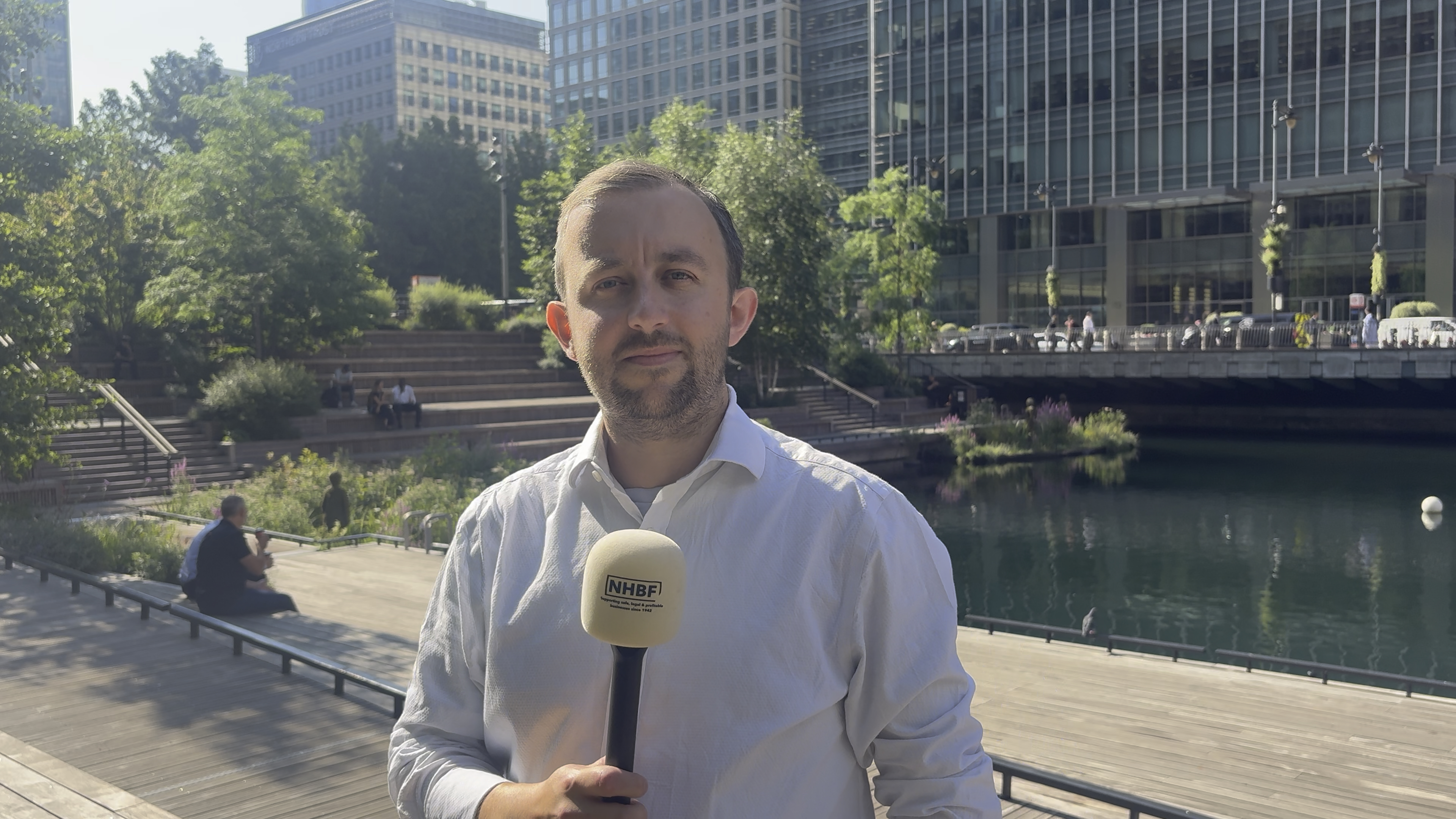
Last week, I joined National Hair & Beauty Federation President Fiona Johnston at the Low Pay Commission in Canary Wharf as she gave evidence on behalf of hair, beauty, barbering and aesthetics employers.
The Low Pay Commission independently advises the Government on the National Minimum Wage and National Living Wage. Its recommendations affect millions of workers, but they also have significant consequences for the businesses that employ them.
“Employers in the sector are crying out for help, not another increase in costs.”
That does not mean opposing fair pay. NHBF supports fair wages and businesses want to reward and retain skilled staff. The argument is that wage policy cannot be considered in isolation from the wider conditions employers face.
For labour-intensive businesses with limited scope to automate, every increase must be absorbed through higher prices, lower profits, reduced hours or changes to recruitment. When those businesses are already managing VAT, employer National Insurance, business rates, energy, rent and product costs, the consequences can include fewer jobs and apprenticeships.
Building the evidence
Appearing before the Commission was the culmination of several months of work.
Working with NHBF’s leadership and members, I supported the development of an evidence-led strategy for the Commission’s 2026 process. This included:
- Developing and promoting an employer survey focused on employment, recruitment, costs and apprenticeships.
- Analysing more than 500 responses and identifying the strongest policy messages.
- Connecting the minimum-wage debate to NHBF’s wider work on VAT, employment costs, skills and high-street businesses.
- Preparing NHBF’s main written submission and supplementary employer evidence.
- Producing the oral evidence briefing and preparing Fiona for questions from Commissioners.
The results showed how quickly the employed model is coming under pressure.
More than 40% of respondents had reduced their workforce over the previous three months. Almost 82% said they were unlikely or definitely would not recruit new staff in the next three months, while almost 86% said the same about taking on apprentices.
More than three-quarters reported that employer National Insurance changes had had a major or moderate negative effect. Meanwhile, 83% identified a reduction in VAT as one of the most beneficial actions the Government could take.
These figures allowed NHBF to move beyond general warnings. They demonstrated a clear chain between rising costs and business decisions: recruitment is delayed, hours are reduced, apprenticeships are cut back and investment is postponed.
The wider political context
This evidence was presented during a particularly important period for economic and employment policy.
The Government’s 2026 remit to the Low Pay Commission asks it to recommend rates for April 2027. It retains the benchmark of two-thirds of median earnings, but explicitly requires the Commission to consider labour-market conditions, the cost of living, business competitiveness and the wider economy. It also gives the Commission flexibility over aligning the 18-to-20 rate with the National Living Wage, with priority given to younger people’s employment prospects. The recommendations are due by the end of October.
The labour market is already showing signs of strain. The latest available ONS vacancy figures reported that vacancies fell to 707,000 between March and May 2026—the lowest level since early 2021. The largest decline by employer size was among businesses employing between one and nine people, precisely the type of employer that dominates hair and beauty. ONS feedback also suggested that economic uncertainty and higher labour costs were discouraging some firms from recruiting.
Parliament’s Business and Trade Committee has separately warned that small businesses are facing cost pressures comparable to those experienced during the pandemic, but without equivalent support. It has called for a stronger response on VAT, business rates, energy, employment and unfair competition. That reinforces the case that the cumulative impact of policy decisions must be considered, rather than assessing each measure separately.
The arrival of Andy Burnham in Downing Street creates another moment of political change. His early emphasis on affordability, living standards and economic reform offers an opportunity to reset the relationship between the Government and Britain’s small employers. But improving living standards will require both fair wages and businesses capable of continuing to provide secure employment.
A constructive case for change
NHBF’s message to the Commission was not that wages should be held down regardless of circumstances. It was that the wage floor must be set alongside the operating conditions needed to sustain employment.
That means a cautious, evidence-led approach to the 2027 rates, retaining a meaningful distinction for younger workers and apprentices, and recognising the training and supervision costs involved in developing new talent.
It also requires action beyond the Commission’s remit. NHBF is campaigning for a 10% VAT rate for the sector, targeted relief from employment costs, stronger apprenticeship incentives, support with business rates and effective enforcement against businesses that gain an advantage through deliberate non-compliance.
The oral evidence session was therefore an important milestone, but it was not the end of the work. The next stage is to ensure the evidence continues to reach the new Prime Minister, Ministers, Treasury officials, parliamentarians and the Commission before its recommendations are finalised.
This is what effective public affairs looks like in practice: listening to members, building credible evidence, translating it into a focused policy argument and placing that argument before decision-makers at the moment it can make a difference.
For membership organisations and representative bodies, access matters. But access has the greatest impact when it is supported by strong evidence, clear objectives and careful preparation.